Every few months someone brings a car into the shop with a seized engine or spun bearing and tells me they “always kept up with the maintenance.” Sometimes that’s true and there’s a manufacturing defect or an unusual failure mode at work. More often, “always kept up with it” means “changed the oil when the light came on, used whatever 5-quart jug was on sale, and didn’t really check the level in between.” That’s not the same thing, and the engine usually reflects the difference eventually.
Here’s what actually kills engines — and almost none of it is dramatic. It’s almost all slow, quiet, and preventable.
Running low on oil between changes
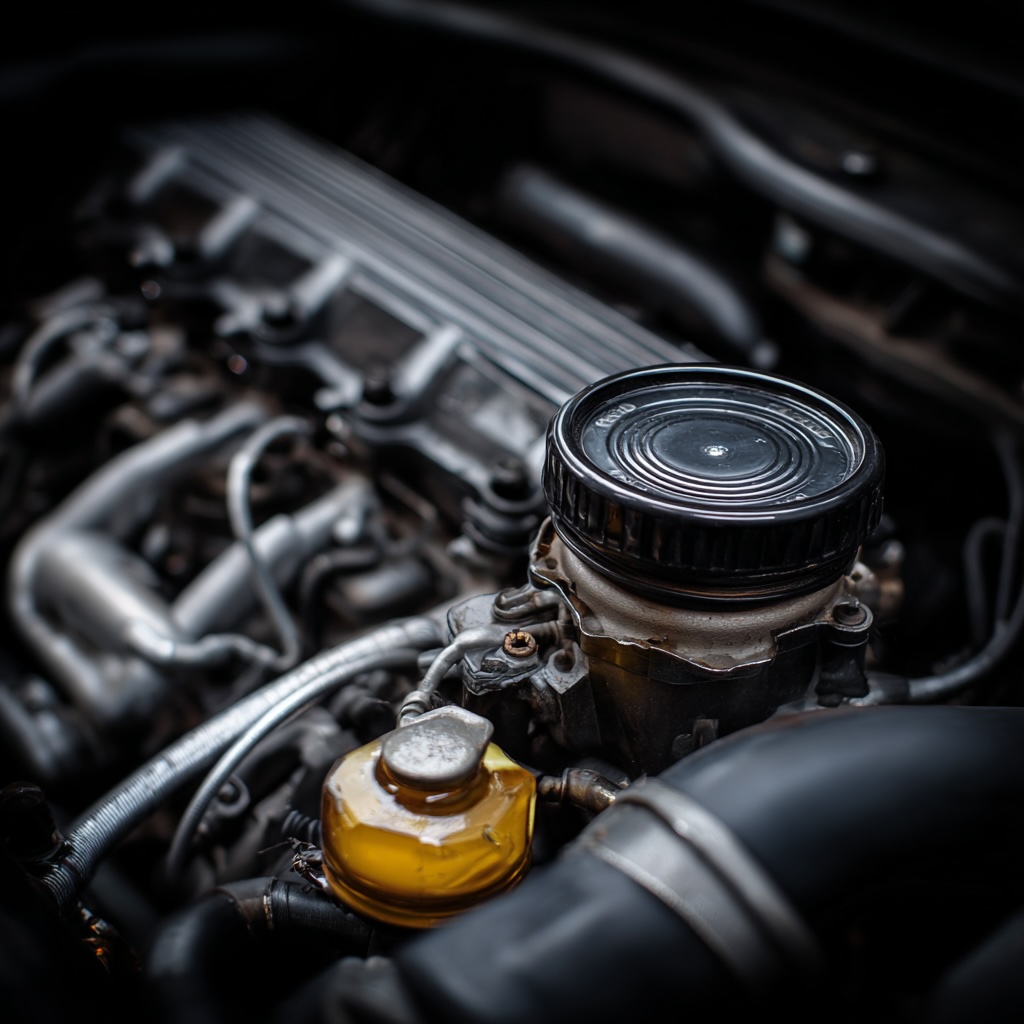
This is the single biggest one, and it’s the one most people never think about because they conflate the oil change interval with the oil check interval. They’re not the same. An oil change at 7,500 miles doesn’t guarantee the engine has adequate oil at mile 6,000. Many engines consume oil — some by design, others as they age. A turbocharged engine working hard in hot weather can drop a quart in 2,000 miles without a single external drip visible on your driveway. That oil is being burned through the turbo bearings and exiting through the exhaust.
An engine running a quart low on a 4.5-quart capacity isn’t 22% short on lubrication — it’s asking the remaining oil to do 22% more work per cycle, cycling faster, running hotter, and leaving less of a film between metal surfaces. The damage is cumulative and invisible until something expensive fails.
Check the oil level monthly. Every month. Regardless of what the service interval is. This single habit extends engine life more than anything else on this list.
Short trips that never fully warm the engine
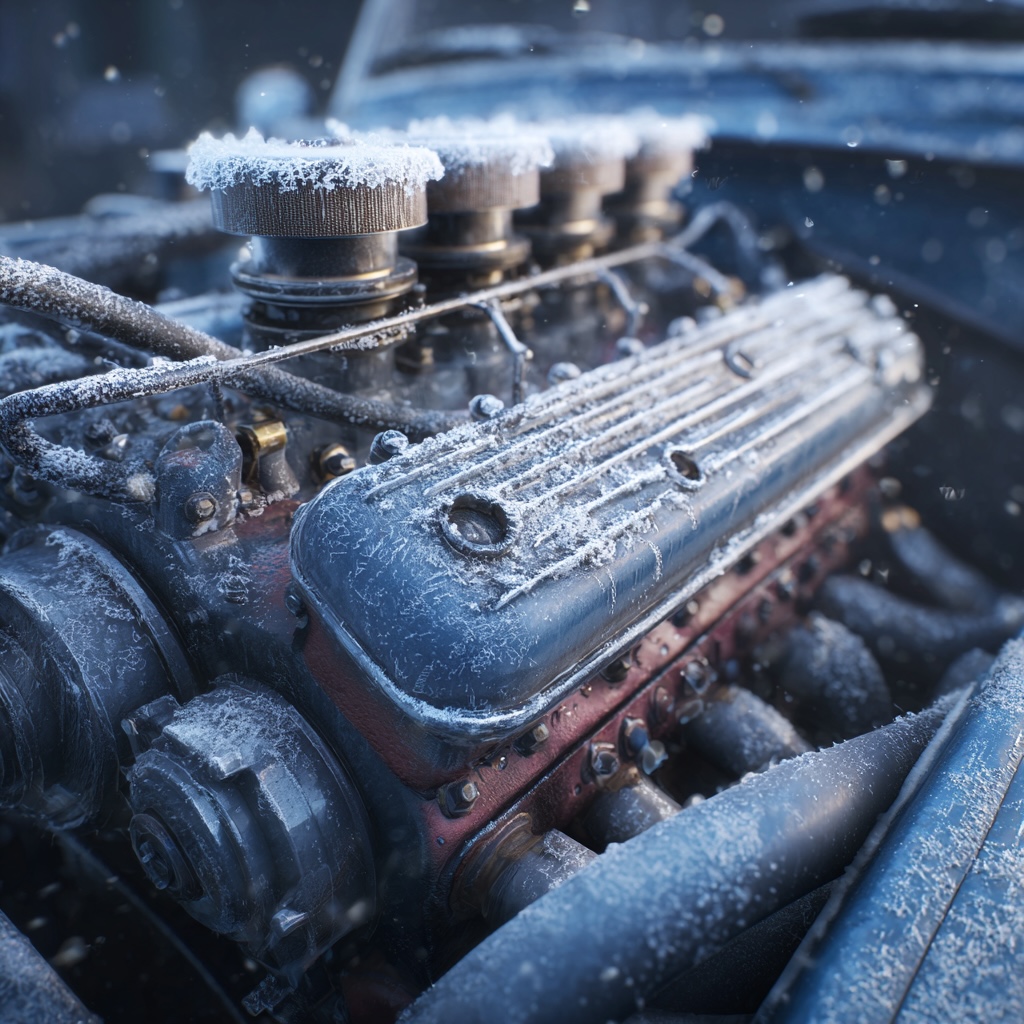
An engine that never reaches full operating temperature is an engine that accumulates condensation and combustion byproducts in the oil faster than normal, runs rich longer than normal (the cold-start enrichment strategy), and never fully seats its piston rings against the cylinder walls. City drivers who make ten 5-minute trips a day do more cumulative damage per mile to their engines than highway drivers covering the same distance in two long stretches.
The condensation issue is particularly relevant in cold climates: water vapor in the crankcase from combustion condenses on cold metal surfaces and mixes into the oil. In a fully warmed engine, this evaporates out through the PCV system. In an engine that never fully warms up, it builds up, acidifies the oil, and promotes corrosion internally. If you drive primarily short distances and your dipstick ever shows oil that looks milky or slightly frothy with no other obvious coolant leak, this is likely why.
Using the wrong oil viscosity
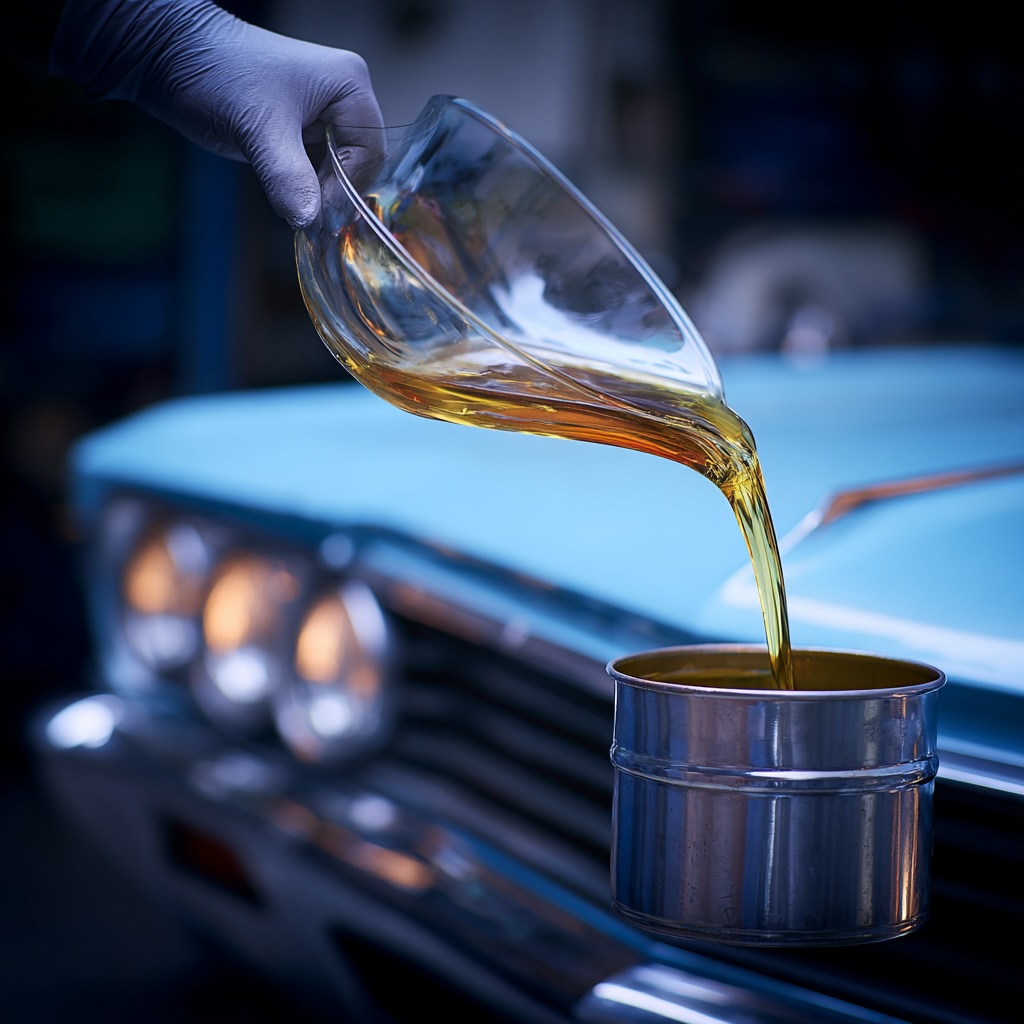
This seems minor until you understand what viscosity actually means for an engine. A modern engine with tight tolerance components — especially one with variable valve timing actuators, which are hydraulically operated through precision oil passages — needs an oil that flows correctly at cold-start temperature. An engine specified for 0W-20 running 10W-40 has significantly worse cold-start oil flow. The extra thickness means the oil pump is pushing harder to move the same volume, pressure in the system takes longer to reach critical components, and in the 10–15 seconds before full oil pressure is established, more metal-to-metal contact occurs than during the rest of the drive.
- More wear happens in the first 15 seconds after a cold start than in the following 30 minutes of driving
- Oil viscosity directly determines how quickly pressure reaches the camshaft journals on cold start
- Variable valve timing solenoids are among the first components to fail when fed the wrong viscosity — and they’re expensive
- The viscosity on your oil cap isn’t a suggestion — it reflects the tolerances inside your specific engine
Ignoring the cooling system

An engine that overheats once has probably done more damage to its head gaskets and cylinder head than most owners realize. The aluminum in a modern cylinder head begins distorting at temperatures well below what would show as “engine damage” on a scan tool. A single overheat event that caused the temperature gauge to reach the red zone and stay there for more than a few minutes may have compromised the head gasket sealing surface permanently — not enough to cause an obvious immediate leak, but enough to start the slow deterioration that becomes a head gasket replacement 30,000 miles later.
The specific failure mode: aluminum expands more than the cast iron or steel components it interfaces with. Thermal expansion beyond design limits causes micro-distortion at the head-to-block sealing surface. The gasket holds initially, but the perfect flat mating surface it was designed to seal is no longer perfectly flat.
Deferred timing belt service
If your engine has a timing belt — and many do, check your owner’s manual — the belt has a specific replacement interval, typically 60,000–100,000 miles. It’s not a guideline. A timing belt that breaks turns your engine from a functioning machine into a collection of bent valves and possibly damaged pistons in the same instant. On an interference engine (where the pistons and valves occupy the same space at different times), a snapped belt at speed typically means engine replacement, not repair.
This is the single most disproportionate maintenance item relative to its consequences. The belt replacement costs $400–$800. The engine replacement costs $3,000–$8,000. The failure mode is binary — it works until it doesn’t, with no warning.
Dirty air filter left too long

A severely clogged air filter restricts airflow into the engine, causing the ECU to compensate with a richer fuel mixture. Running rich means more fuel washing the cylinder walls, diluting the oil film that lubricates the piston rings, and over time contributing to increased oil consumption and ring wear. It also means unburned fuel entering the exhaust and shortening catalytic converter life. The air filter is the cheapest item on this list to address and the easiest to overlook.
The pattern
Notice what’s not on this list: aggressive driving, occasional extended highway runs, cold-weather starts. None of those are particularly destructive to a properly maintained engine. What kills engines is consistently doing the small things wrong over a long period of time — intervals ignored by a few thousand miles here, wrong fluid there, level unchecked for a year. The damage compounds. The engine that might have run to 250,000 miles stops at 140,000, and the post-mortem usually finds nothing dramatic — just consistent, gradual evidence of neglect.
Sources
API — Engine Oil Licensing & Certification Standards
DOE AFDC — How Gasoline Engines Work