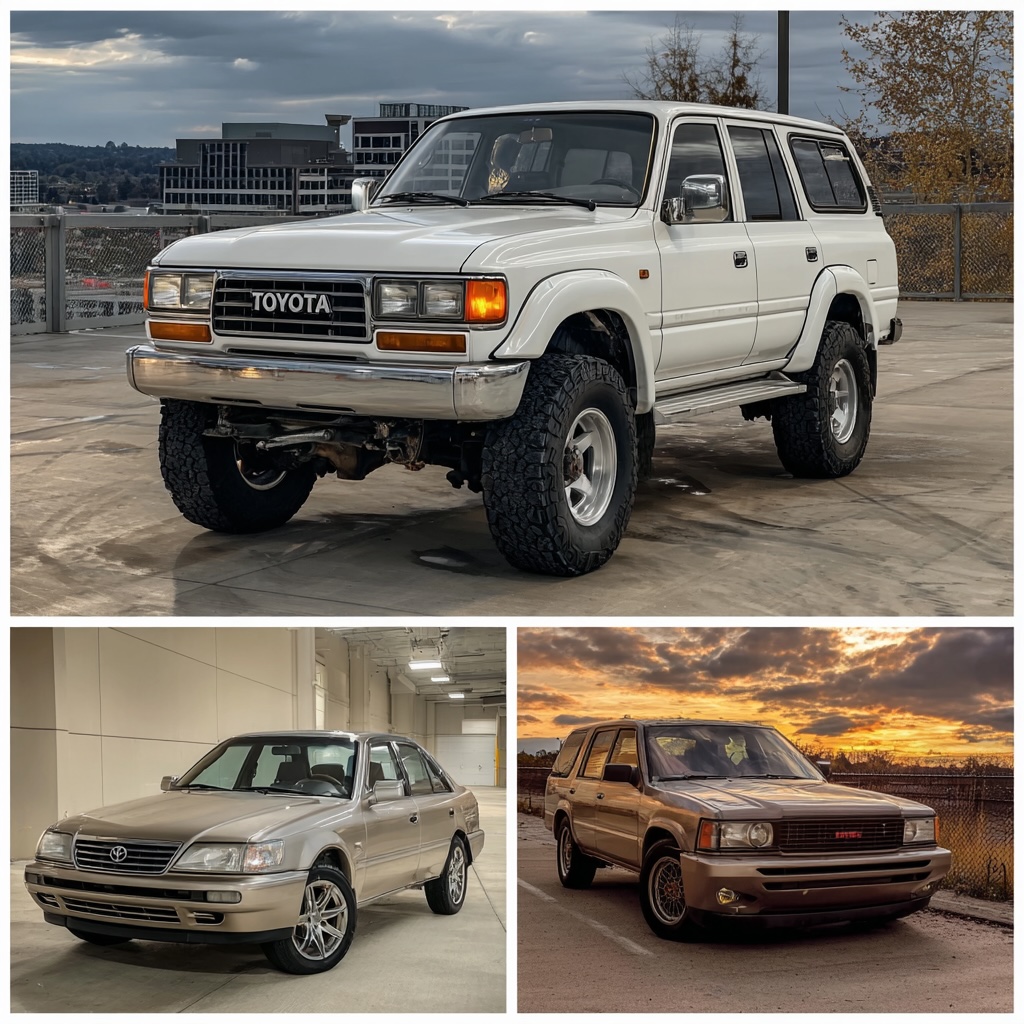
I’ve been working on cars long enough to know that the odometer reading on a used car is usually the least interesting number on it. What matters more is what those miles cost the car — and that depends almost entirely on which car it was, how it was serviced, and what the previous owner considered “regular maintenance.” I’ve seen 60,000-mile cars that were effectively finished, and I’ve driven 200,000-mile trucks that felt tighter than some dealer loaners. A high mileage number isn’t a death sentence. The car’s reputation is what matters.
These are the vehicles that, in my experience, consistently earn their place on a used car lot well past the 100,000-mile mark — and the reasons they do it.
Toyota Land Cruiser — the benchmark everything else is measured against
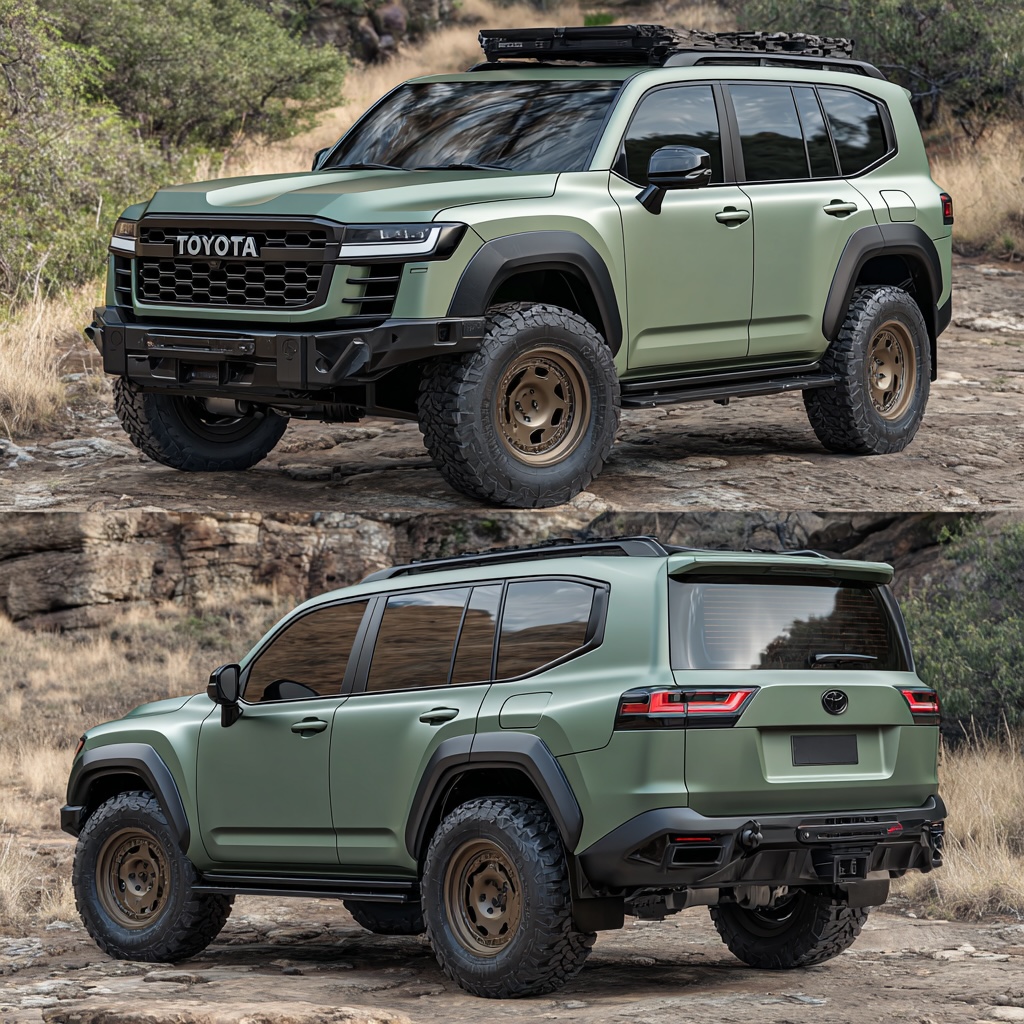
If you want a single data point for what a vehicle looks like at 300,000 miles, look at the global fleet of Land Cruisers in use by aid organizations, oil companies, and expeditions in places where a breakdown could be a genuine emergency. These organizations don’t run Land Cruisers out of brand loyalty. They run them because the cost of a breakdown — in the middle of nowhere — is catastrophic, and a Land Cruiser is the vehicle least likely to put them there.
The reliability record is almost embarrassingly consistent. The 4.7L V8 that ran from 1998 through 2007 is essentially an engine that takes oil changes as the primary requirement for a long life. The transfer case is overbuilt to the point where most owners will never find its limits. The weak points are expensive trim components and a fuel economy figure that hasn’t improved much since the Clinton administration, but neither of those will strand you on a highway.
The catch: pricing reflects all of this. A clean 2003 Land Cruiser with 150,000 miles will cost more than a clean 2015 version of many other SUVs. The market knows what it has.
Toyota Tacoma — the truck that refuses to depreciate
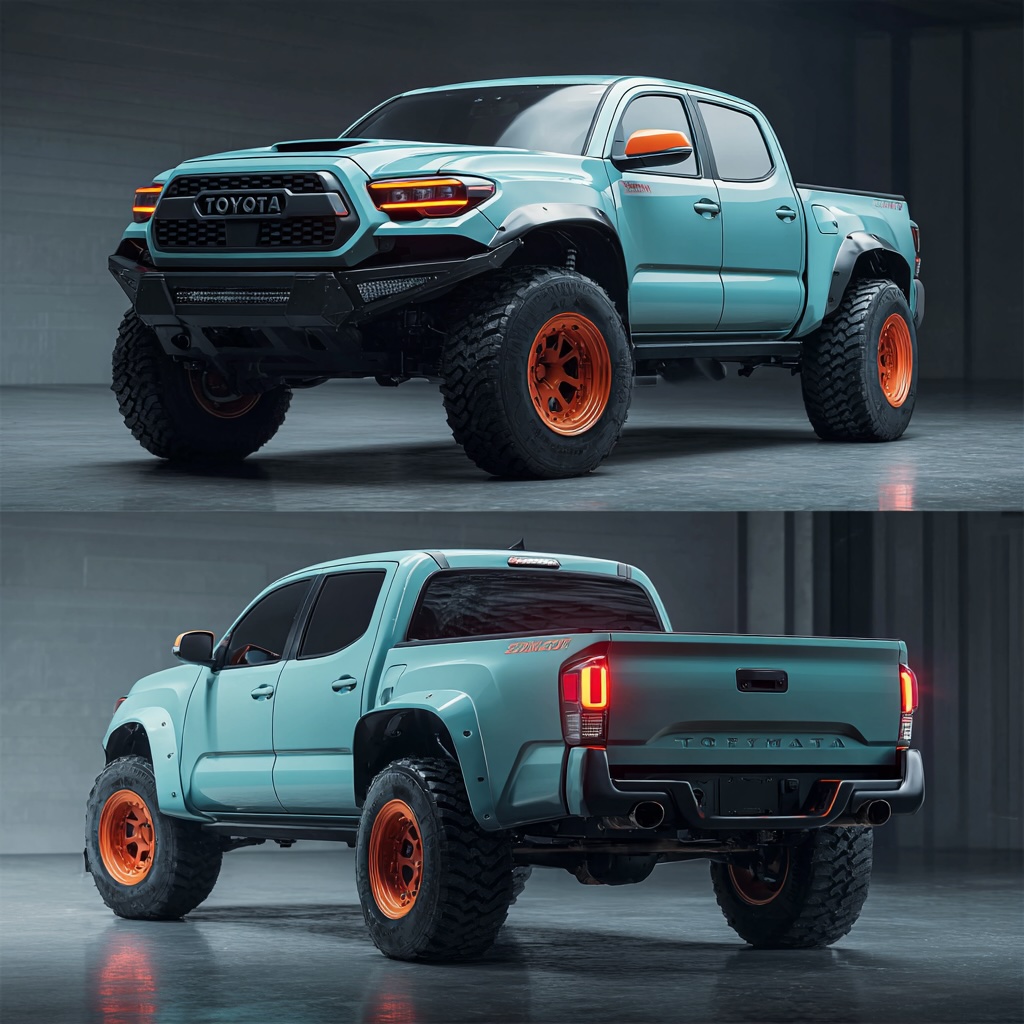
The Tacoma occupies a unique position in the market where high mileage actually raises the question “how?” rather than “so what?” A 2005 Tacoma with 180,000 miles on a Craigslist listing will generate genuine buyer interest. The same year’s F-150 at the same mileage is a gamble. The reasons aren’t mysterious: the Tacoma’s powertrain — particularly the 2.7L four-cylinder — is almost comically durable for what it is, and the transmission, transfer case, and front differential are engineered with margins that most drivers will never approach.
What the Tacoma doesn’t do: it doesn’t try to be more than a midsize truck. The interior materials are honest about what they are. The ride quality is what it is. You’re buying a tool, and the tool works for an extraordinarily long time if you maintain it.
Honda Accord (4-cylinder) — the invisible workhorse

The Accord rarely tops “most reliable” lists in the dramatic fashion of Toyota trucks, which is partly because it’s so unremarkable in its reliability that it’s easy to overlook. A four-cylinder Accord with 150,000 miles is simply a used car, not a project. The 2.4L K24 engine is one of the best-engineered inline-fours ever put in a production vehicle — timing chain, not belt; VTEC that works correctly at every mileage; a tendency to ask for oil changes and otherwise leave you alone.
The 2.4L K24 has a documented history of reaching 300,000 miles without internal rebuilds when maintained correctly. I’ve personally seen several. The engine doesn’t warn you it’s aging — it just keeps running.
The weak points on high-mileage Accords are almost universally external: wheel bearings, control arm bushings, struts. These are normal wear items on any car, and on the Accord they tend to make themselves known gradually rather than failing catastrophically.
Lexus LS400 / LS430 — the car that made German engineers uncomfortable
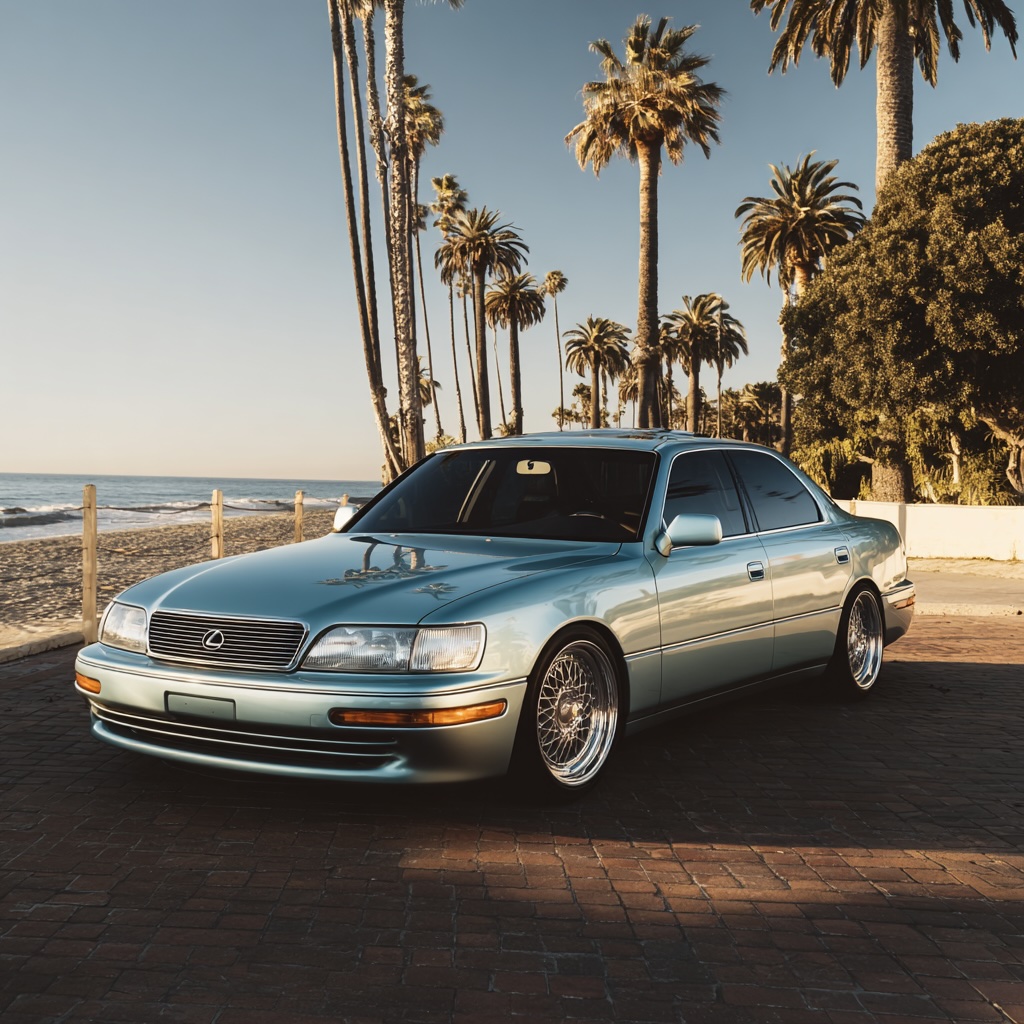
When the original LS400 launched in 1989, a European automotive journalist famously drove one at 155 mph for extended periods to test its NVH characteristics. The build quality was a statement. The mechanical foundation under that interior has proven equally serious over the following 35 years.
A well-maintained LS400 or LS430 at 200,000 miles is not a project car. It’s a car that needs fresh suspension consumables, possibly a water pump, and whatever the previous owner failed to address. The 1UZ-FE and 3UZ-FE V8 engines are among the most overbuilt production V8s ever made. They don’t blow head gaskets. They don’t develop rod knock at normal mileages. They ask for clean oil and coolant changes and reward you with another 100,000 miles.
What they all have in common
- Conservative engineering margins — they’re built to handle more load and heat than the average owner produces
- Timing chains rather than belts in their modern iterations — removing the single most common catastrophic failure point at high mileage
- Simple, well-understood powertrain architectures that independent mechanics can service without specialist equipment
- Active communities of owners who share service intervals, known failure points, and parts sources
The vehicles that don’t age well have the inverse of these qualities: narrow engineering margins that leave no room for deferred maintenance, complex systems that require dealer-level tools to service, and timing belts with service intervals that previous owners routinely ignored.
A high-mileage vehicle from this list with documented maintenance is often a better purchase than a low-mileage vehicle from a manufacturer with a weaker track record. The odometer reading is the beginning of the conversation, not the end of it.
Sources
NHTSA — Vehicle Recall Database
IIHS — Vehicle Safety Ratings