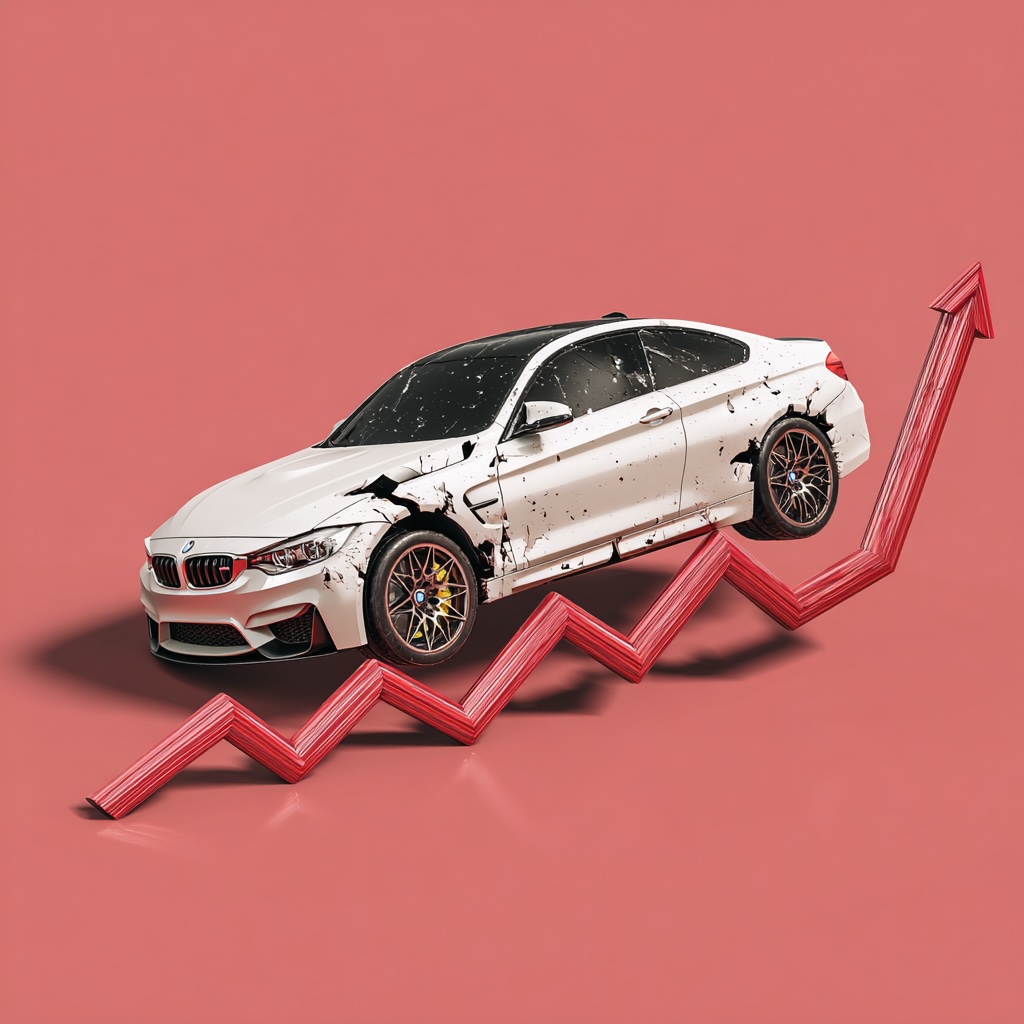
I’ve been asked about this enough times that I figured it was worth writing down somewhere permanent. A customer recently brought in a 2019 Honda Accord for a straightforward fender-bender repair — a hit in a parking lot, nothing structural, cosmetic damage to one front corner. The estimate came back over $6,000. She was stunned. I wasn’t. I’d already seen what the parts cost, what the sensors embedded in that bumper assembly are worth, and what calibrating the camera system after reassembly adds to any repair invoice. Her car was not unusual. This is what modern repairs cost now, and the reasons are worth understanding if you’re trying to make sense of your insurance bill.
Modern cars have a lot more to break
The bumper cover on a 2010 Honda Accord is a piece of plastic. You can buy a replacement online for $150. The bumper cover on a 2019 Honda Accord contains a radar sensor for adaptive cruise control, a camera for the Honda Sensing system, and ultrasonic parking sensors — integrated components that require recalibration after replacement, using equipment that most body shops have to either purchase or outsource. The part alone might be $400. The calibration adds $300–$600. A repair that would have been a $600 job ten years ago is now $1,200 before labor.
This multiplies across the entire vehicle. Windshields now commonly contain rain sensors, forward-facing cameras for lane departure systems, and heating elements. Replacing a modern windshield that includes all of these with proper recalibration can run $800–$1,500 for what used to be a $200 job. Side mirrors contain cameras and blind-spot radar systems. Door panels contain airbag modules. None of this was in cars 15 years ago. All of it adds to the total cost of any collision repair.
Semiconductor shortages changed the parts supply chain permanently
The chip shortage that began in 2020 and peaked through 2022 exposed a structural fragility in automotive parts supply that existed long before the pandemic made it visible. Automakers had spent decades optimizing supply chains for cost efficiency — just-in-time delivery, single-source suppliers for critical components, minimal inventory buffers. This works well until something disrupts the supply of a critical input.
The shortage didn’t just delay new car production. It created a used car price spike that cascaded into insurance replacement costs, which cascaded into insurance premiums that have not fully corrected even as supply normalized.
When a repair requires an electronic control module that’s on a 12-week backorder, the labor time is billed regardless, the rental car days accumulate, and the total claim cost climbs. Insurance companies price premiums based on the claims they’re paying, not the claims they paid two years ago. The supply chain disruption is now baked into the actuarial tables — and those tables don’t reset quickly.
Labor rates have increased significantly
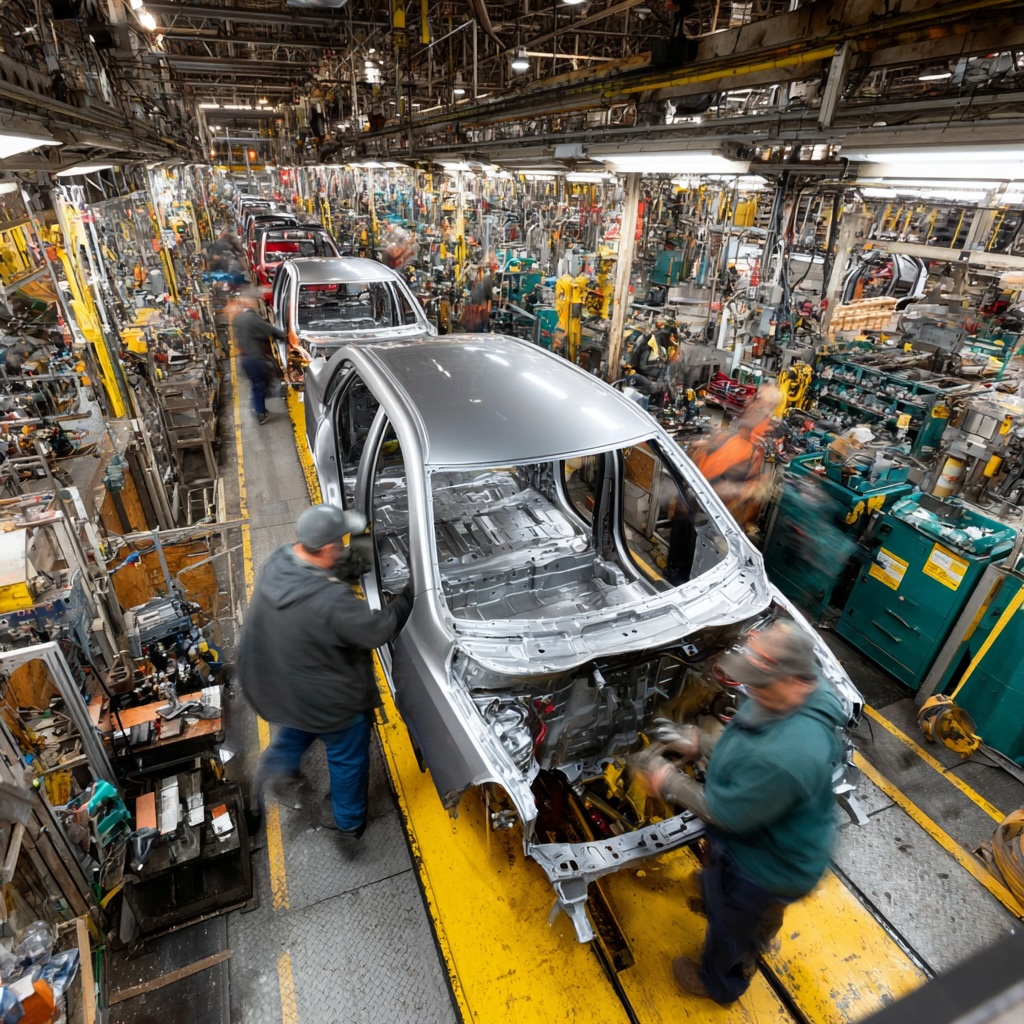
The skilled technician shortage in automotive repair is real and has been building for over a decade. The median age of a working automotive technician is rising. Vocational training programs have declined relative to four-year college enrollment. The pipeline of new technicians entering the trade is smaller than the number retiring out of it in many markets.
The consequence is straightforward: shops that want to retain skilled technicians have to pay them more. Shops that pay technicians more charge customers more. A shop labor rate that was $95/hour in 2018 is $145–$165/hour in many markets today. A repair that takes eight hours of labor has gone from $760 to $1,160–$1,320 in labor alone before a single part is counted.
Total loss thresholds are triggered more easily
Most insurance companies declare a vehicle a total loss when the estimated repair cost exceeds a certain percentage of the vehicle’s actual cash value — typically 70–80% depending on state regulations. As repair costs have risen and as used vehicle values inflated during the shortage years, more vehicles are being totaled that would have been repaired under previous cost structures.
- A vehicle worth $12,000 with $9,000 in damage used to be repaired — the math worked. With today’s repair costs on the same damage profile, the same vehicle might hit the 75% threshold faster.
- Total loss payouts are based on the vehicle’s market value at the time of the claim — meaning insurers are paying more to replace totaled vehicles than they were five years ago
- These payouts come directly from the pool of money that premiums fund, which means more total losses = higher premiums for everyone
- The vehicles declared total losses also exit the used market, reducing supply and keeping used car values elevated
Reinsurance costs have risen

This is the part that most people never think about: insurance companies buy insurance themselves, from reinsurers, to cover catastrophic loss events — hurricanes, wildfires, floods. As climate-related events have increased in frequency and severity, reinsurance costs have climbed substantially. Those costs are passed through to retail insurance premiums. Your car insurance bill includes a component that reflects the increased cost of insuring against natural disasters that you may never experience directly, in regions you may never visit.
What you can actually do about it
None of this means the increases are completely unavoidable at the individual level.
- Shop your policy annually — loyalty rarely pays in auto insurance. Rates vary substantially between carriers for the same risk profile, and the market shifts every year.
- Raise your deductible — moving from a $500 to a $1,500 deductible reduces the premium meaningfully and keeps you responsible for the lower-cost claims where you’d be making up the difference in future premium increases anyway.
- Maintain your vehicle — a car that can be repaired cleanly (no deferred corrosion, no previous unrepaired damage, no modified components) is cheaper to insure and cheaper to repair.
- Drive less if possible — most insurers now offer usage-based programs. Fewer miles driven means fewer exposure hours means lower actuarial risk means lower premium.
The structural forces pushing costs up are real and not going away quickly. Understanding them at least makes the bills less confusing — even if it doesn’t make them smaller.
Sources
BLS — Consumer Price Index: Motor Vehicle Insurance & Repair
IIHS — Insurance Loss Statistics by Vehicle